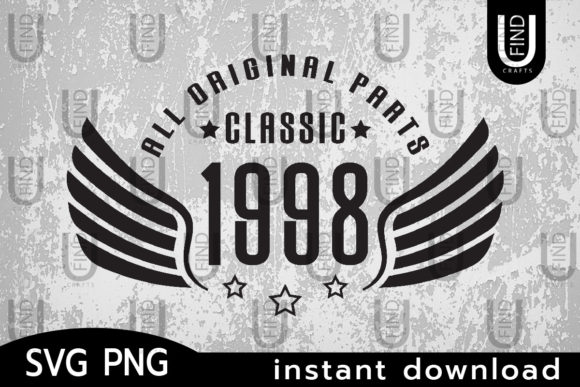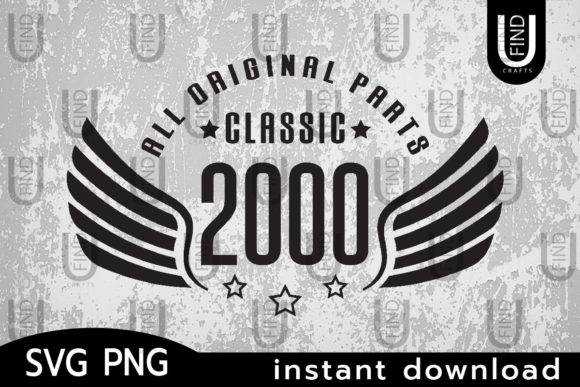
Classic 2000 All Original Parts
As an embroidery designer and product reviewer, I’ve seen my fair share of digital files that promise a lot but deliver little. Classic 2000 All Original Parts is one of those designs that immediately catches the eye with its nostalgic appeal and clean, retro aesthetic. It’s not just a design—it’s a statement. Whether you're looking to create custom apparel, personalized gifts, or small business merchandise, this file has potential. But like any good design, it needs to be used wisely.
The First Impression: Nostalgia Meets Simplicity
From the moment I opened the SVG and PNG files, I was struck by the clarity and balance of the design. The layout is straightforward, with a strong central motif that feels instantly recognizable. The vintage 2000 theme gives it a timeless quality, making it suitable for a range of projects from birthday celebrations to retro-themed events. The detail level is just right—enough to make the design stand out without being overwhelming.
This isn’t a design that screams for attention. Instead, it whispers with confidence. It works well on both light and dark fabrics, though I’d recommend testing it on your chosen material before committing to a full project. The shape and structure are ideal for machine embroidery, especially for items like tote bags, sweatshirts, and baby clothes where simplicity and clarity matter.
Real-World Embroidery Performance
When I tested Classic 2000 All Original Parts on a sample tote bag, the results were impressive. The stitch density was consistent, and the design held up well on a medium-weight cotton fabric. It didn’t require excessive stabilizer, which is a plus for anyone looking to streamline their workflow. However, I noticed that on thinner or stretchy fabrics, the design could become slightly distorted if not properly stabilized.
For custom apparel, this design shines. It’s perfect for sweatshirts, t-shirts, and even caps. The size of the design makes it adaptable to different hoop sizes, though I’d advise checking your machine’s maximum hoop dimensions before starting. If you’re working with a small hoop, consider breaking the design into sections to avoid overloading the machine.
One thing to keep in mind is that the design doesn’t include intricate details or tiny lettering. That’s not a flaw—it’s a feature. It means it’s more forgiving for beginners and less likely to cause issues on textured or stretchy fabrics. But if you're aiming for something highly detailed, you might want to look elsewhere.
Where to Use It Carefully
While Classic 2000 All Original Parts is versatile, there are some situations where it may not perform as well. On dark fabrics, the design can appear too faint unless you use a contrasting thread color. Similarly, on thin or delicate materials, the stitching might not hold up as well as it would on heavier fabrics.
If you're planning to use it on curved surfaces like caps or hats, you’ll need to adjust the design slightly to account for the curvature. This is a common issue with many flat embroidery designs, so it’s worth noting. Also, if you’re creating an embroidered patch, make sure the edges are clean and the corners aren’t too sharp, as they can fray easily.
Another consideration is the commercial aspect. If you're selling finished products or digital files, always check the licensing terms. While the product description mentions a digital download, it doesn’t specify whether the design is for personal or commercial use. That’s something you should clarify before using it in your craft business or Etsy shop.
Impact on Visual Appeal and Customer Perception
Classic 2000 All Original Parts has a strong visual presence that can elevate any handmade product. When stitched onto a tote bag or apron, it adds a touch of personality and nostalgia that resonates with customers. It’s the kind of design that people remember, making it a great choice for gift items or holiday-themed products.
From a branding perspective, this design is consistent and professional. It works well for boutique products, small shop merchandise, and printable mockups. Its clean lines and retro feel make it easy to incorporate into a larger collection or brand identity. It also adds value to personalized gifts, as the design is both meaningful and visually appealing.
Customer trust is another factor. A well-designed embroidery file contributes to the overall quality of a finished product. When customers see a clean, professional-looking design, they’re more likely to trust the craftsmanship behind it. This is especially important for Etsy sellers and small business owners who rely on positive reviews and repeat customers.
Practical Designer Notes
Before jumping into a full project, I always recommend testing the design on scrap fabric. This helps you see how it looks in real life and identify any potential issues early on. Pay close attention to the thread color contrast, especially if you’re using it on dark fabrics. A simple change in thread color can make a big difference in the final appearance.
Review the stitch density to ensure it’s appropriate for your fabric type. If the design is too dense, it may cause puckering or distortion. For layered garments or curved surfaces, consider adjusting the design or using a different embroidery technique. Also, don’t forget to check the small details—sometimes the smallest elements can have the biggest impact on the final result.
Finally, if you're using this design for commercial purposes, double-check the licensing terms. Even if the product description doesn’t mention restrictions, it’s better to be safe than sorry. And if you’re selling digital files, make sure the design is compatible with your intended platforms and software.