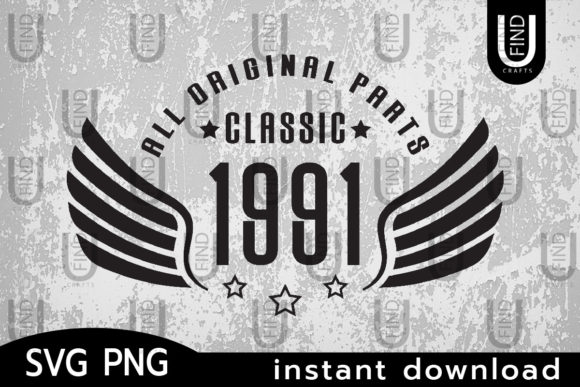
Classic 1991 All Original Parts
As an embroidery designer and product reviewer, I’ve seen my fair share of digital files that promise a lot but deliver little. Classic 1991 All Original Parts is one of those designs that immediately catches the eye with its nostalgic appeal and clean, retro aesthetic. It’s not just a design—it’s a statement. Whether you're looking to create custom apparel, personalized gifts, or small business merchandise, this file has potential. But like any good design, it needs to be used wisely.
The First Impression: Nostalgia Meets Simplicity
From the moment I opened the SVG and PNG files, I was struck by the clarity and balance of the design. The layout is straightforward, with a vintage feel that screams 1991 without being overly complicated. The shapes are well-defined, and the overall composition feels intentional—perfect for something that needs to stand out on a fabric without overwhelming it.
This design would work best on items that allow for a bit of space, like tote bags, sweatshirts, or baby onesies. Its retro vibe makes it ideal for holiday gifts, birthday celebrations, or even as a subtle nod to nostalgia in a boutique product. The detail level is just right—enough to be recognizable but not so intricate that it becomes a nightmare to stitch.
Real-World Embroidery Use Cases
When I tested Classic 1991 All Original Parts on a sample fabric, it performed well in most situations. The lines were clear, and the overall shape held up under different stitch densities. It worked particularly well on light-colored fabrics where the contrast between the design and the background was strong. However, I noticed that on darker materials, the design needed more careful attention to thread color selection to ensure visibility.
This design could be a great addition to a custom apparel line, especially for small businesses or Etsy sellers looking to offer unique, themed products. It’s also perfect for embroidered patches, which can be applied to jackets, backpacks, or even hats. The size of the design allows for flexibility in placement, making it adaptable to a variety of projects.
For baby items, the simplicity of the design is a big plus. It avoids anything too complex, which is important when working with delicate fabrics or small areas. It could also be used as a decorative element on pillow covers, tea towels, or even as part of a printable mockup for a craft business.
Where to Be Cautious: Design Limitations
While Classic 1991 All Original Parts is versatile, there are some limitations to consider. If you're working with small hoop sizes, this design might be a bit too large to fit comfortably. You may need to adjust the size or break it into sections, depending on your machine's capabilities.
Textured or stretchy fabrics can also be a challenge. The design’s details may not show up as clearly on these materials, and the stitching might require additional stabilizer to prevent puckering. Thin or dark fabrics also demand more attention to thread color and stitch density to avoid a washed-out look.
For curved surfaces like caps or hoods, the design might need slight adjustments to maintain its integrity. Tiny lettering or detailed corners could be problematic if the design isn’t optimized for those areas. It’s always a good idea to test the file on scrap fabric before committing to a finished product.
Impact on Visual Appeal and Customer Perception
Classic 1991 All Original Parts adds a unique visual element to any project. Its retro charm can elevate a simple tote bag into a standout piece, or turn a basic sweatshirt into a memorable gift. When done right, it can increase the perceived value of a handmade product, making it more appealing to customers who appreciate thoughtful design.
For small shop owners or Etsy sellers, this design could help build brand consistency, especially if it fits within a specific theme or style. It also has strong giftability, making it a good choice for holiday or birthday items. Customers often respond positively to nostalgic elements, and this design taps into that sentiment effectively.
From a professional standpoint, using this design requires attention to detail. A poorly executed stitch can make even the best design look cheap. That’s why it’s important to review the stitch density, check for any issues in the file, and ensure the design works well in both black and white and full-color mockups.
Practical Designer Notes: What to Check Before Using
Before using Classic 1991 All Original Parts in a real project, I recommend doing a few key checks. First, test the design on scrap fabric to see how it looks in practice. This will help identify any issues with stitch density, thread color, or fabric compatibility.
Also, make sure the design works for both personal and commercial use. Since the product description mentions a digital download, confirm the licensing terms before selling any finished items or digital products. Some files have restrictions that aren’t immediately obvious, so it’s better to be safe than sorry.
When working with this design, pay close attention to the stabilizer. Depending on the fabric type, you may need to use a different kind to keep the stitches from distorting. For layered garments or textured fabrics, extra care is needed to ensure the design holds up over time.
Lastly, always check the file format. While the product includes SVG and PNG files, make sure they’re compatible with your embroidery software. Not all files are created equal, and some may require conversion or adjustment before use.
Final Thoughts: A Retro Design with Real Potential
Classic 1991 All Original Parts is a design that brings a sense of nostalgia and simplicity to any project. It’s not the most complex file out there, but that’s part of its charm. It works best on items that give it enough space to shine, and it can add a unique touch to custom apparel, personalized gifts, or small business merchandise.
As with any embroidery file, success depends on how it’s used. With the right fabric, thread colors, and attention to detail, this design can become a valuable asset for any creative entrepreneur. Just remember to test it first, understand its limitations, and use it where it will have the most impact.