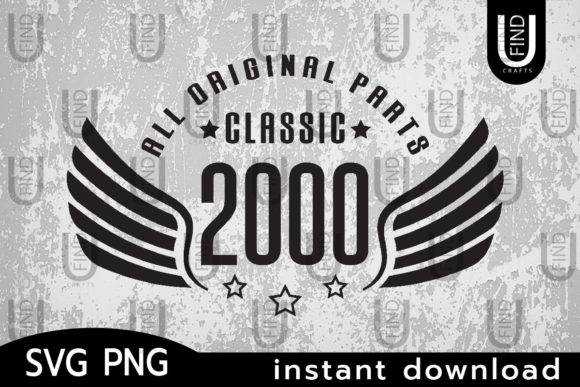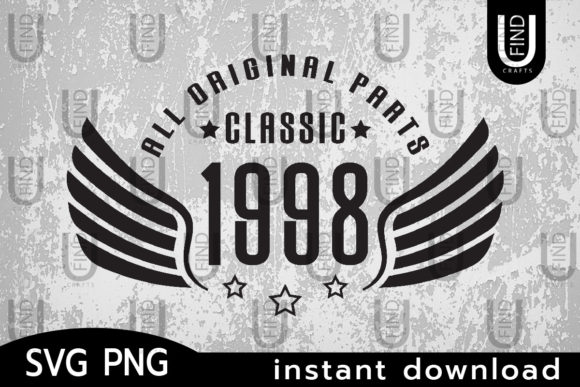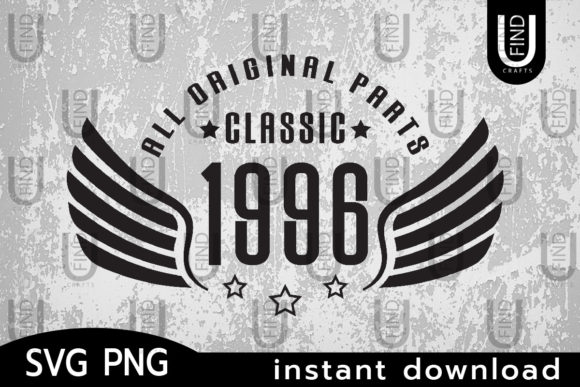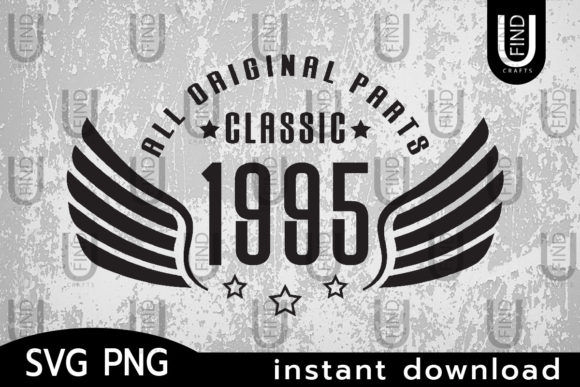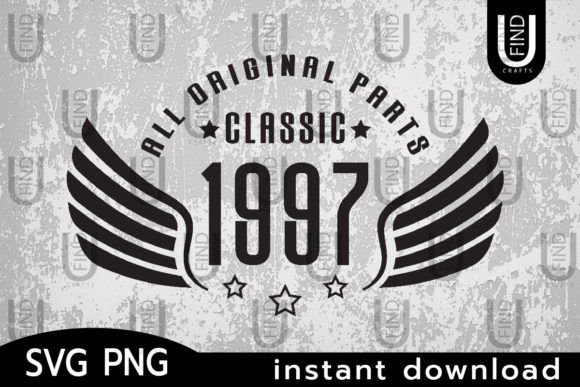
Classic 1997 All Original Parts
As an embroidery designer and product reviewer, I’ve seen my fair share of digital files that promise a lot but deliver little. The Classic 1997 All Original Parts design caught my eye not just for its nostalgic appeal, but for how it could translate into real-world projects. Let’s break down what this design offers and how it might fit into your creative workflow.
The First Impression
The Classic 1997 All Original Parts design has a distinct retro vibe. It feels like a throwback to the era when simplicity was king. The layout is clean, with a vintage aesthetic that doesn’t scream “retro” but subtly nods to the past. The details are minimal, which makes it versatile for a range of applications. Whether you’re working on a custom tote bag or a baby onesie, this design has the potential to stand out without overwhelming the fabric.
The shape and theme suggest something personal, maybe a birthday celebration or a commemorative piece. It’s not overly complex, which means it can be adapted easily for different sizes and fabrics. The file includes SVG and PNG formats, making it accessible for both digital and physical use.
Real-World Embroidery Use Cases
This design works well in custom apparel, especially on sweatshirts, t-shirts, and tote bags. Its simplicity allows it to be placed in various locations—centered on a chest, on the back, or even on a cap. For small business owners and Etsy sellers, this could be a great addition to a line of retro-themed products. It also fits well in baby items, where the vintage feel can add a unique touch to onesies or blankets.
When considering embroidered patches, the design holds up nicely. The detail level is sufficient for a patch, and the overall size is manageable for most hoop sizes. However, if you're planning to use it on a curved surface like a cap, you may need to adjust the placement slightly to avoid distortion.
For holiday gifts or personalized items, this design can serve as a subtle yet meaningful accent. It’s not too flashy, which makes it suitable for a wide range of recipients. As a craft business owner, I’d consider using this in printable mockups or as part of a downloadable design pack for customers who want to create their own handmade products.
Where to Be Careful
While the Classic 1997 All Original Parts design is generally straightforward, there are a few areas where caution is needed. If you're working with small hoop sizes, you may find that the design needs to be split or resized to fit properly. This can affect the overall look, so it’s worth testing on scrap fabric before committing to a final project.
On textured or stretchy fabrics, the design may not sit as smoothly as it would on a flat, stable material. You’ll want to use the right stabilizer to ensure the stitches hold up over time. Thin or dark fabrics can also pose challenges, especially if the thread color doesn’t contrast enough. A white or light-colored thread might make the design more visible on darker backgrounds.
For intricate corners or tiny lettering, the design may require some adjustments. If you’re planning to use it on a product that will be washed frequently, check the stitch density to make sure it won’t fray or lose definition over time.
Impact on Visual Appeal and Customer Perception
When it comes to visual appeal, the Classic 1997 All Original Parts design adds a sense of nostalgia without being too dated. It can elevate a simple handmade product into something that feels unique and intentional. Customers often respond positively to designs that have a story or a connection to the past, which makes this a strong choice for personalized gifts or boutique merchandise.
In terms of stitching clarity, the design is clean and easy to follow. It doesn’t have too many dense areas that could cause issues during the embroidery process. This makes it a good option for both beginners and experienced designers looking for a reliable file to work with.
For small shop owners and Etsy sellers, the design can help build brand consistency. Using a retro theme across multiple products can create a cohesive look that resonates with a specific audience. It also enhances the giftability of your items, as the design has a universal appeal that can work for birthdays, anniversaries, or other special occasions.
Practical Designer Notes
Before jumping into a full project, I always recommend testing the design on scrap fabric. This helps you see how the stitches look on your chosen material and whether any adjustments are needed. Checking the thread color contrast is also important—especially if you’re using the design on dark or light fabrics.
Review the stitch density to ensure it’s appropriate for your project. If the design is too dense, it might cause the fabric to pucker or the stitches to become too stiff. Confirming the correct hoop size is another key step, as using the wrong size can lead to misalignment or incomplete stitching.
Inspecting small details is crucial, especially if you’re planning to use the design on a product that requires precision. Testing the design in black and white mockups can help you see how it looks without color, which is useful for print-on-demand or digital product previews.
Lastly, make sure the design is suitable for both personal and commercial use. Check the licensing terms carefully before selling finished items or digital products. As a designer, it’s important to know exactly what you can and cannot do with a file before incorporating it into your workflow.