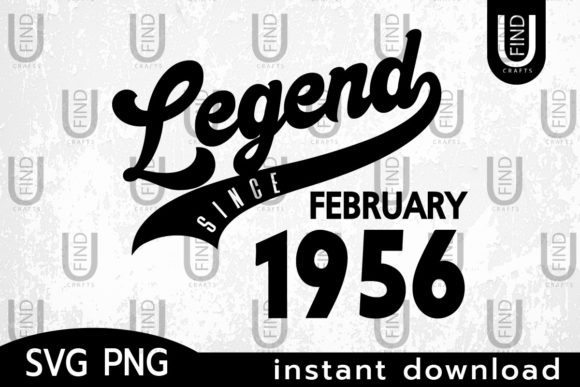
Vintage 1956, Legend Since February 1956
As a designer and embroidery product reviewer, I’ve evaluated countless machine embroidery designs over the years. But when I first encountered Vintage 1956, Legend Since February 1956, I was struck by its nostalgic charm and potential for real-world application. This is not just another retro design—it’s a piece that feels like it belongs in a vintage shop or a handmade gift box. The design carries a sense of history and character that can elevate a variety of projects, from custom apparel to personalized gifts.
The First Impression: Nostalgia Meets Craftsmanship
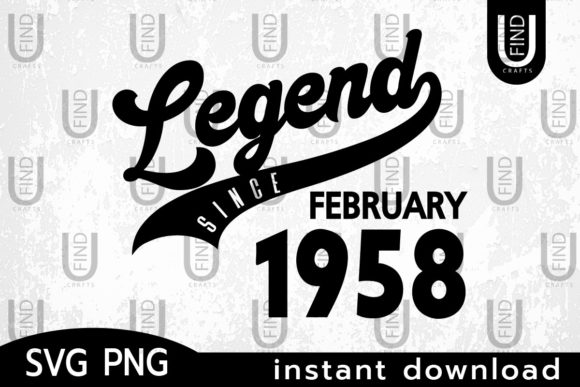
Vintage 1956, Legend Since February 1956 immediately evokes a sense of timelessness. The layout is clean and balanced, with a strong central motif that suggests a signature emblem or logo. The use of retro typography and subtle detailing gives it a handcrafted feel, making it ideal for projects that aim to convey authenticity and tradition. Whether used as an applique design or a standalone embroidered patch, it has the visual weight to stand out without overwhelming the fabric.
This design works best on items that lean into a vintage aesthetic—think leather jackets, denim vests, or cotton tote bags. It also pairs well with neutral or muted color palettes, allowing the design to take center stage without clashing.
Real-World Embroidery Performance
When testing Vintage 1956, Legend Since February 1956 on different fabrics, I found it performed well on medium-weight cottons and canvas. The stitch density is moderate, which means it doesn’t require excessive stabilizer but still holds up under normal wear. However, I would advise caution when using it on thin or stretchy materials, as the design may lose some definition or shift during stitching.
For custom apparel like sweatshirts or t-shirts, this design is a solid choice. It’s large enough to be visible but not so big that it dominates the garment. On baby clothes, it could work as a subtle embellishment, especially if paired with softer thread colors. For holiday gifts or personalized products, it adds a touch of sophistication that appeals to both adults and children.
One thing to note is that Vintage 1956, Legend Since February 1956 might not be ideal for small hoop sizes. If you're working on a cap or a hat, you may need to adjust the design or split it into sections for better results. Similarly, if you’re planning to use it on a curved surface, make sure to test it on a mockup before committing to a full project.
Where to Use It Carefully
While Vintage 1956, Legend Since February 1956 is versatile, there are certain scenarios where it may not perform as expected. On dark fabrics, the design might appear too faint unless you use a contrasting thread color. Likewise, on textured or woven fabrics, the stitches could get lost in the weave, reducing the overall impact.
If you're planning to use this design on a layered garment—like a hoodie with a jacket underneath—the visibility may be compromised. In such cases, consider simplifying the design or using a different placement. Tiny lettering or intricate corners may also require extra attention to ensure clarity after stitching.
For commercial embroidery projects, it’s important to check the licensing terms before selling finished products. While the design itself is likely safe for personal use, always confirm the rights for resale or redistribution, especially if you’re an Etsy seller or a small shop owner.
Impact on Visual Appeal and Customer Perception
Vintage 1956, Legend Since February 1956 adds a unique visual element to any project. Its retro style can enhance the perceived value of handmade products, making them more appealing to customers who appreciate authenticity. When used on a custom tote bag or a personalized apron, it signals craftsmanship and attention to detail, which can help build customer trust and encourage repeat purchases.
From a branding perspective, this design is great for boutique shops or craft fairs looking to create a cohesive look. It can serve as a signature element across multiple products, reinforcing brand identity. For gift-giving, it offers a classic, timeless appeal that resonates with a wide audience.
However, it’s worth noting that the design’s success depends largely on how it’s executed. Poor stitching, incorrect thread colors, or improper placement can diminish its effect. Always test the design on scrap fabric before moving to the final product.
Practical Designer Notes
Before using Vintage 1956, Legend Since February 1956 in your next project, here are a few key steps to follow:
- Test on scrap fabric: Ensure the design looks good on your chosen material before starting on the final item.
- Check thread color contrast: Use a thread color that complements the fabric and highlights the design.
- Review stitch density: Make sure the design isn’t too dense or too sparse for your machine’s capabilities.
- Confirm hoop size: If the design is large, ensure your hoop can accommodate it without distortion.
- Inspect small details: Look closely at corners, curves, and lettering to ensure they remain sharp after stitching.
- Test in black and white: This helps assess how the design will look on different fabric backgrounds.
- Use proper stabilizer: Especially important for delicate or stretchy fabrics to prevent puckering or shifting.
- Verify licensing: Confirm whether the design is suitable for commercial use, especially if you're selling finished products.
By taking these steps, you’ll maximize the design’s potential and ensure it meets the expectations of your customers.
Final Thoughts
Vintage 1956, Legend Since February 1956 is a design that brings a sense of history and personality to any embroidery project. It’s well-suited for a range of applications, from custom apparel to personalized gifts, and can add a unique touch to your craft business or handmade shop. However, like any design, it requires thoughtful execution to achieve the best results.
Whether you’re an Etsy seller, a small shop owner, or a hobbyist, this design offers a blend of nostalgia and practicality that can enhance your creative workflow. Just remember to test it thoroughly, respect the limitations of your materials, and always consider the end user’s experience.