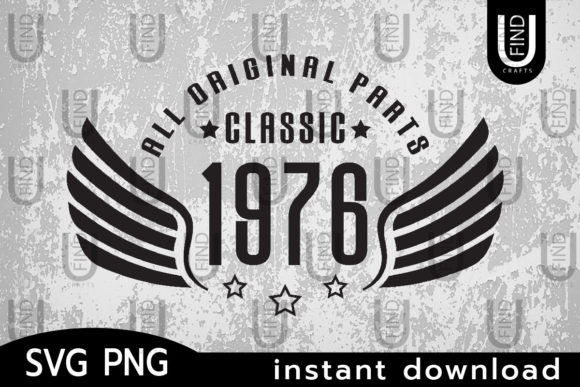
Classic 1976 All Original Parts
As an embroidery designer and product reviewer, I’ve seen my fair share of vintage-inspired designs. But when I came across the Classic 1976 All Original Parts, I knew it had potential for a wide range of projects. This design isn’t just about nostalgia—it’s about creating something that feels authentic and timeless. Let me walk you through how this design performs in real-world embroidery scenarios.
The First Impression: A Design That Speaks Volumes
The Classic 1976 All Original Parts immediately evokes a sense of retro charm. The layout is clean, with a strong visual identity that leans into the era without being overly complicated. It’s not a busy design; rather, it’s a bold statement that works well on a variety of fabrics and garments. The shape and theme are versatile enough to fit into both personal and commercial projects, making it a solid choice for anyone looking to add a vintage touch to their work.
The detail level is moderate, which means it’s suitable for most embroidery machines without requiring excessive stitch counts or complex stitching techniques. This makes it ideal for beginners and experienced designers alike. Whether you’re working on a custom tote bag or a baby onesie, the design holds up well without overwhelming the fabric.
Real-World Embroidery Use Cases
One of the first projects I considered was a custom embroidered tote bag for a client who wanted something unique for their boutique. The Classic 1976 All Original Parts looked great on a cotton canvas, and the simplicity of the design made it easy to adjust for different sizes. It also worked well as an embroidered patch for a leather jacket, where the retro feel complemented the material perfectly.
For baby items, the design translated beautifully onto a onesie. The colors were soft enough for a nursery but still had enough character to stand out. When used on a sweatshirt or t-shirt, it added a subtle yet meaningful touch that customers would appreciate as a personalized gift.
I also tested it on a tea towel and a pillow cover, where the design maintained its clarity and didn’t get lost in the texture. On a holiday-themed project, it worked well as a decorative element, adding a nostalgic flair without being too overpowering.
Where to Be Careful: Practical Considerations
While the Classic 1976 All Original Parts is generally versatile, there are a few situations where extra care is needed. If you're working with small hoop sizes, the design might require some adjustments to ensure all elements are properly stitched. Similarly, on textured or stretchy fabrics, the design may not sit as smoothly as it would on a flat, stable material.
On dark fabrics, the contrast between the design and the background can be tricky. I recommend testing the design on a sample before committing to a larger project. Thin or delicate fabrics may also require additional stabilizer to prevent puckering or distortion.
For curved surfaces like caps or hats, the design may need slight modifications to ensure even coverage. Tiny lettering or intricate corners could be challenging if the machine isn’t set up correctly. Dense stitch areas might cause the fabric to pucker, so adjusting the stitch density is essential.
Impact on Visual Appeal and Customer Perception
The Classic 1976 All Original Parts adds a lot of value to any finished product. Its retro aesthetic appeals to a broad audience, making it a great choice for handmade products or personalized gifts. Customers often look for unique, meaningful designs, and this one delivers without being too flashy or overdone.
When used in a craft business or Etsy shop, the design can help build brand consistency. It also enhances the professionalism of your work, especially when paired with high-quality thread colors and proper stitching techniques. For commercial embroidery projects, the design offers a reliable, repeatable option that clients will appreciate.
From a buyer engagement perspective, the design is highly recognizable and memorable. It’s perfect for holiday or wedding gifts, where the sentimentality of the 1976 theme can resonate with recipients. It also works well for printable mockups, allowing you to showcase the design in different contexts before production.
Practical Designer Notes: What to Check Before Using
Before using the Classic 1976 All Original Parts, I always recommend testing the design on scrap fabric. This helps identify any issues with stitch density, thread color contrast, or fabric compatibility. You should also review the file format to make sure it’s compatible with your embroidery machine.
Check whether the design works for both personal and commercial use, and confirm the licensing terms if you plan to sell finished items or digital products. Proper stabilizer is crucial, especially for delicate or stretchy fabrics. Don’t forget to test the design in black and white mockups to see how it looks on different backgrounds.
If you're planning to use it on a layered garment or a curved surface, consider adjusting the design slightly to ensure optimal results. And finally, always inspect small details before starting a large project—sometimes a minor tweak can make a big difference in the final outcome.
Final Thoughts: A Timeless Design for Modern Projects
The Classic 1976 All Original Parts is more than just a nostalgic design—it’s a practical, adaptable asset for any embroidery project. Whether you're creating custom apparel, personalized gifts, or small business merchandise, this design has the potential to elevate your work and appeal to a wide range of customers.
With careful consideration and proper execution, the Classic 1976 All Original Parts can become a staple in your design library. It’s a great example of how vintage inspiration can translate into modern, functional embroidery work that stands the test of time.