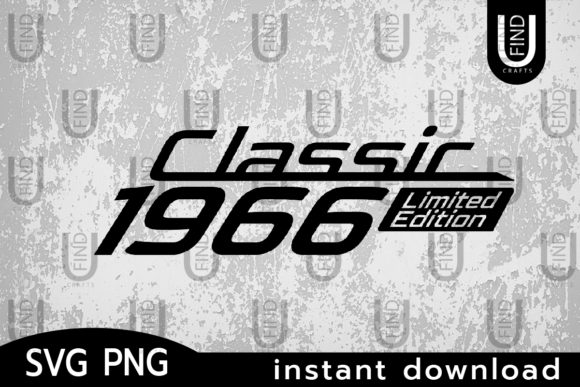
Classic 1966 Limited Edition
As a designer with years of experience in embroidery and digital design, I’ve evaluated countless files for real-world use. The Classic 1966 Limited Edition is one that stands out for its nostalgic charm and versatility. Whether you're working on custom apparel, handmade gifts, or small business merchandise, this design has the potential to elevate your projects with a vintage flair. But like any embroidery file, it comes with considerations that need attention before it becomes a finished product.
The First Impression: Nostalgia Meets Simplicity
The Classic 1966 Limited Edition immediately evokes a sense of nostalgia. Its clean lines and retro aesthetic make it ideal for projects that aim to capture the essence of the 1960s. The layout is balanced, with a central motif that feels timeless yet modern enough to fit into various design contexts. The detail level is moderate—enough to add visual interest without being overwhelming. It’s not overly complex, which makes it suitable for both beginner and intermediate embroiderers.
This design feels most at home on items like tote bags, sweatshirts, and baby clothes. Its simplicity allows it to stand out without competing with other elements, making it a great choice for personalized gifts or branded merchandise.
Real-World Embroidery Performance
Testing the Classic 1966 Limited Edition on different fabrics and projects revealed some key insights. On standard cotton or polyester blends, the design stitches cleanly, with clear satin and fill stitches. However, the stitch density could be an issue on thinner or stretchy materials. For these, a stabilizer is essential to prevent puckering or distortion.
On textured fabrics like denim or canvas, the design holds up well, but the contrast between thread colors and fabric may require careful selection. Dark fabrics can make the design less visible unless the thread color is chosen wisely. For example, a light-colored thread on a dark background might not show up as intended, while a darker thread could create a more striking effect.
When used on curved surfaces like caps or hats, the design maintains its shape, but the hoop size matters. If the design is too large for the hoop, it may cause stitching issues or require multiple hooping steps, which can be time-consuming.
Where to Use It (and Where to Be Cautious)
The Classic 1966 Limited Edition excels on flat, smooth surfaces such as tote bags, aprons, and pillow covers. It works well as an embroidered patch, especially for custom apparel or accessories. For baby items, its clean lines and retro feel make it a great choice for onesies or blankets.
However, there are areas where caution is needed. Small hoop sizes may limit how much of the design can be stitched in one go, which could affect the overall quality. Tiny lettering or intricate details might not hold up well on thin or stretchy fabrics. Additionally, if the design is used on layered garments or products that will be washed frequently, the durability of the stitches should be considered.
For commercial embroidery projects, ensure that the design is compatible with your machine and that the licensing terms allow for resale or redistribution, depending on your business model.
Impact on Visual Appeal and Customer Perception
When properly executed, the Classic 1966 Limited Edition adds a touch of sophistication to any project. Its vintage look appeals to customers who appreciate retro aesthetics, making it a strong asset for Etsy sellers or small shop owners looking to offer unique, handmade products.
Stitching clarity is crucial. If the design is too dense or the stitch density isn’t right, it can look cluttered or unprofessional. On the flip side, when done well, it enhances the value of the finished product, giving it a polished and cohesive appearance.
Customer trust is also influenced by how the design is presented. A well-executed embroidery project using this design can increase buyer engagement and encourage repeat purchases. It’s a design that feels authentic, which is important for handmade and personalized items.
Practical Designer Notes
Before using the Classic 1966 Limited Edition in a client project or for sale, here are a few practical tips:
- Test on scrap fabric first to see how the design looks and stitches on your specific machine and materials.
- Check thread color contrast against the fabric to ensure visibility and aesthetic appeal.
- Review stitch density to avoid overcrowding or weak stitches.
- Confirm hoop size requirements to ensure compatibility with your embroidery machine.
- Inspect small details like corners or lettering to make sure they’re sharp and consistent.
- Test in black and white mockups to see how the design translates in different formats.
- Compare on light and dark backgrounds to determine the best application scenarios.
- Use proper stabilizer for delicate or stretchy fabrics to maintain stitch integrity.
- Verify licensing before selling finished items or digital products to avoid legal issues.
These steps help ensure that the Classic 1966 Limited Edition is used effectively and professionally, whether for personal projects or commercial ventures.
Final Thoughts: A Design That Speaks Volumes
The Classic 1966 Limited Edition is more than just a retro graphic—it’s a versatile tool that can enhance a wide range of embroidery projects. Its clean design and nostalgic appeal make it a valuable addition to any craft business or creative entrepreneur’s collection. With proper execution and attention to detail, it can become a standout piece that resonates with customers and elevates the overall quality of your work.
As with any machine embroidery design, success depends on how well it’s adapted to the specific project and materials. But when done right, the Classic 1966 Limited Edition has the potential to turn a simple item into a meaningful, memorable creation.