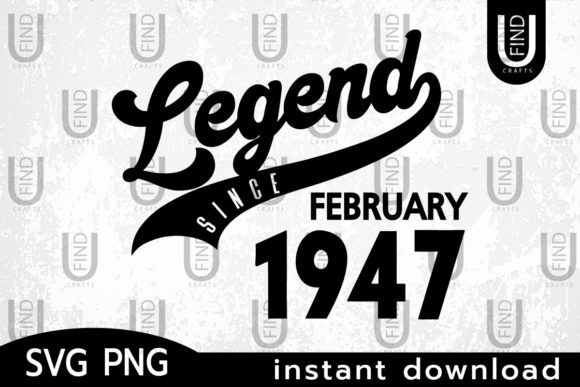
Vintage 1947, Legend Since February
As a designer and embroidery product reviewer with years of experience, I’ve evaluated countless machine embroidery designs. When I first encountered the Vintage 1947, Legend Since February SVG and PNG files, I was immediately drawn to its nostalgic charm and clean, retro aesthetic. This design feels like it belongs in a bygone era, evoking a sense of timeless craftsmanship that resonates with both hobbyists and small business owners looking for unique, handcrafted appeal.
The First Impression: Nostalgia Meets Simplicity
Upon opening the file, the first thing that stands out is the design’s visual personality. The layout is balanced, with a central focal point that commands attention without overwhelming the space. The typography is classic, reminiscent of early 20th-century signage, which gives it an authentic feel. The shape is versatile enough to work on a variety of items—tote bags, sweatshirts, baby onesies, and even embroidered patches.
The detail level is moderate, with clear lines and subtle texture that suggest a hand-drawn or vintage-style illustration. It’s not overly complex, which makes it ideal for projects where clarity and readability are key. The design’s simplicity also means it can be adapted easily for different sizes and applications without losing its character.
Real-World Embroidery Performance
When considering how this design performs in real-life embroidery situations, it holds up well on most standard fabrics. For custom apparel, such as t-shirts or sweatshirts, the design maintains its integrity without appearing too busy. On tote bags or aprons, it adds a touch of personality that elevates the finished product from ordinary to something special.
For baby items, the design’s soft, rounded edges and muted tones make it a gentle addition to onesies or blankets. It’s also a great choice for holiday gifts, especially if paired with a warm message or seasonal accents. As an embroidered patch, it would look excellent on jackets, backpacks, or hats, offering a vintage flair that stands out without being too bold.
One thing to note is that the design works best on flat surfaces. While it could be adapted for curved areas like caps, it may require some adjustment to ensure the details remain visible and legible. Thin or stretchy fabrics might also pose challenges, so testing on scrap fabric before committing to a project is always a good idea.
Where to Use With Caution
While the Vintage 1947, Legend Since February design is versatile, there are a few scenarios where caution is advised. Small hoop sizes may not accommodate the full design, requiring splitting or resizing. Textured fabrics could cause the stitches to sit unevenly, so using the right stabilizer is essential.
On dark fabrics, the design’s contrast may be less noticeable, so choosing a thread color that pops against the background is important. Similarly, dense stitch areas might cause the design to look too heavy, so adjusting the stitch density could help maintain a more natural look.
For layered garments or products that need frequent washing, the durability of the design should be considered. Ensuring proper stabilization and using high-quality threads will help preserve the design’s appearance over time.
Impact on Visual Appeal and Customer Perception
This design has the potential to significantly enhance the visual appeal of any project it’s used on. Its retro style adds a layer of uniqueness that can differentiate handmade products from mass-produced alternatives. For small business owners and Etsy sellers, this can translate into higher perceived value and increased customer trust.
As a personalized gift, the design offers a sense of history and nostalgia that many buyers find appealing. It’s also a strong choice for boutique branding, where consistency in design elements helps reinforce a brand’s identity. Whether used in printable mockups or as part of a digital product preview, the design maintains its quality and professionalism.
Practical Designer Notes
Before finalizing any project, I always recommend testing the design on scrap fabric. This allows you to see how the stitches interact with the material and whether any adjustments are needed. Checking thread color contrast is equally important—especially on darker backgrounds, where a lighter thread may be necessary to ensure visibility.
Reviewing the stitch density will help determine if the design is suitable for your machine and project. Confirming the hoop size is another crucial step, as some designs may require larger hoops than expected. Inspecting small details, such as lettering or intricate corners, ensures the design remains sharp and clean after stitching.
Testing the design in black and white mockups can reveal how it looks without color, which is useful for understanding its versatility. Comparing it on light and dark fabric backgrounds helps identify any potential issues with contrast or visibility. Using the right stabilizer for the fabric type is also key to achieving a smooth, professional finish.
Finally, if you plan to use this design for commercial projects or sell finished items, confirming the licensing terms is essential. Always verify that the design is suitable for both personal and commercial use, and ensure that any digital product sales comply with the seller’s guidelines.