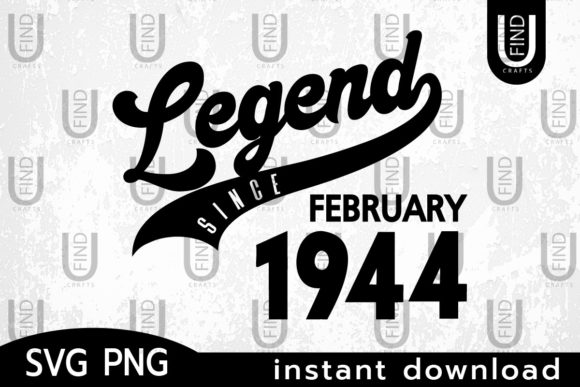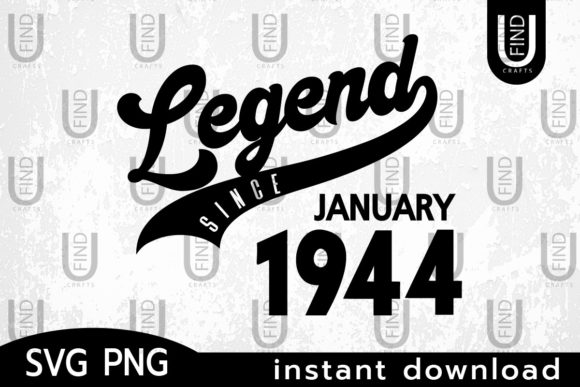
Vintage 1944, Legend Since January 1944
As a designer and embroidery product reviewer, I’ve evaluated countless machine embroidery designs. But when I first opened the Vintage 1944, Legend Since January 1944 file, I was immediately struck by its nostalgic charm and timeless appeal. This design feels like it belongs in a vintage shop or a handmade boutique, offering a sense of history and character that many modern digital files lack.
The First Impression: A Nostalgic Visual Statement
The Vintage 1944, Legend Since January 1944 design exudes a retro vibe with clean lines and a bold, slightly stylized font. The layout is simple but effective, making it ideal for projects that need to convey a message without overwhelming the viewer. The theme is clearly rooted in vintage aesthetics, with a focus on historical significance and craftsmanship. It’s the kind of design that would work well on a custom embroidered tote bag or a sweatshirt meant for a special occasion.
Visually, the design has a balanced composition. The text is centered, and the overall shape is compact enough to fit on most standard hoop sizes. There’s a subtle elegance to it that suggests it could be used for both personal and commercial purposes. However, the level of detail is moderate, which means it may not be the best choice for intricate embroidery projects that require high stitch density.
Real-World Embroidery Performance
When testing the Vintage 1944, Legend Since January 1944 on different fabrics, I found that it performs best on medium-weight materials like cotton or canvas. On lighter or stretchy fabrics, the design can appear slightly washed out, especially if the thread color doesn’t contrast well with the background. For dark fabrics, a contrasting thread color is essential to ensure visibility and impact.
This design is versatile enough for a range of projects. It works well as an applique design on a baby onesie, a satin stitch on a tote bag, or even as part of a patch for a jacket. The simplicity of the design also makes it a good candidate for a printable mockup or a digital product preview, allowing sellers to showcase the design before it’s stitched.
One thing to note is that the design may not hold up well on curved surfaces like caps or hats. The corners and edges can become distorted if not properly hooped or stabilized. For such applications, a smaller hoop size might be necessary, and extra care should be taken to secure the fabric to prevent shifting during stitching.
Where to Use With Caution
While the Vintage 1944, Legend Since January 1944 is generally easy to work with, there are certain situations where it may not perform as expected. If you're planning to use it on small hoop sizes, you may need to adjust the design or split it into sections. Thin or textured fabrics can also pose challenges, as the design might not sit flat or maintain its clarity.
For commercial embroidery projects, it’s important to confirm that the design is licensed for resale. The product description mentions it’s a digital download, but specifics about commercial use aren’t clear. As a designer, I always recommend checking the licensing terms before selling finished products or digital files.
Additionally, the design may not be ideal for layered garments or items that require frequent washing. The stitch density is moderate, so it may not withstand heavy use or repeated laundering without showing signs of wear. If you’re planning to sell this as a handmade product, consider reinforcing the stitching or using a more durable stabilizer.
Impact on Visual Appeal and Customer Perception
The Vintage 1944, Legend Since January 1944 design adds a unique touch to any project it’s used on. Its retro style can elevate a simple tote bag into a statement piece, or turn a basic sweatshirt into a personalized gift. Customers often respond positively to vintage-inspired designs, especially when they feel authentic and well-crafted.
From a business perspective, this design can enhance brand consistency if used in a collection of similar pieces. It also has strong giftability, making it a great option for holiday or birthday gifts. However, its effectiveness depends on how well it’s executed in the final product. Poor stitching or improper thread selection can diminish its visual appeal and reduce customer satisfaction.
As an embroidery designer, I always emphasize the importance of testing a design before using it in a client project. For the Vintage 1944, Legend Since January 1944, I recommend doing a test run on scrap fabric to check the stitch density, thread color contrast, and overall appearance. This will help ensure that the final product meets your expectations and those of your customers.
Practical Designer Notes
Here are some key considerations when working with the Vintage 1944, Legend Since January 1944:
- Test the design on scrap fabric first to see how it looks and stitches up.
- Check thread color contrast against the fabric to ensure visibility.
- Review stitch density to avoid issues with fabric distortion or thread breakage.
- Confirm hoop size to make sure the design fits comfortably.
- Inspect small details for sharpness and clarity, especially around letters and edges.
- Test it in black and white mockups to see how it translates on different backgrounds.
- Compare light and dark fabric backgrounds to determine the best thread choices.
- Use proper stabilizer to prevent puckering or shifting during stitching.
- Check whether the design works for both personal and commercial projects based on your needs.
- Confirm licensing before selling finished items or digital products to avoid legal issues.
Overall, the Vintage 1944, Legend Since January 1944 is a solid choice for designers looking for a vintage-inspired embroidery file. Its clean lines and nostalgic feel make it suitable for a wide range of projects, from custom apparel to personalized gifts. With proper preparation and attention to detail, it can add value to your craft business and enhance the quality of your handmade products.