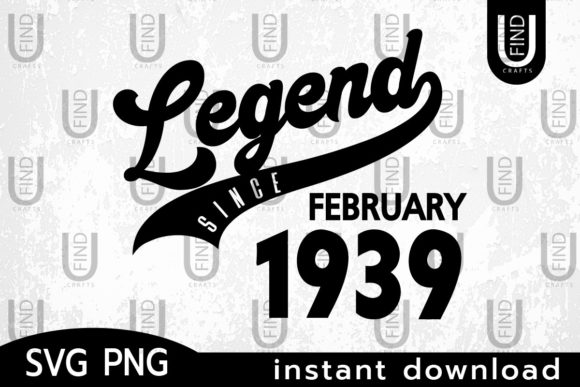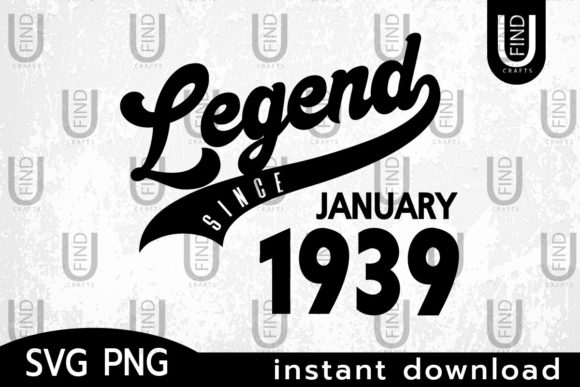
Vintage 1939, Legend Since January 1939
As a designer and embroidery product reviewer, I’ve seen countless digital files come across my desk. But when I stumbled upon the Vintage 1939, Legend Since January 1939 design, I knew it had potential. This isn’t just another retro SVG—it’s a piece of history wrapped in a modern file format. Let’s break down how this design holds up in real-world embroidery projects and what kind of creative applications it truly excels at.
The First Impression: A Nostalgic Visual Statement
From the moment I opened the svg and png files, the design exuded a timeless charm. The typography is clean yet vintage, with subtle flourishes that suggest an era of craftsmanship and authenticity. The layout is balanced, making it ideal for centered embroidery on items like tote bags, sweatshirts, or baby onesies. The detail level is sufficient for most embroidery machines, but not so intricate that it becomes a nightmare to stitch out.
The design’s visual personality is warm and inviting, perfect for handmade products that aim to evoke nostalgia. It feels like something you’d find in a vintage shop, reimagined for modern use. Whether it’s for a birthday celebration, a holiday gift, or a boutique item, this design has a natural place in the world of custom apparel and craft business offerings.
Real-World Embroidery Performance
Testing the Vintage 1939, Legend Since January 1939 on different fabrics and project types gave me a clear sense of its strengths and limitations. On standard cotton or polyester, the design stitches out cleanly, especially with a proper stabilizer. The stitch density is moderate, which means it won’t overwhelm the fabric or cause puckering, but it’s still dense enough to maintain visual impact.
For custom apparel, this design works well on t-shirts, sweatshirts, and tote bags. It also shines on embroidered patches and aprons, where the vintage aesthetic can be highlighted without being lost in busy patterns. However, I wouldn’t recommend using it on thin fabric or stretchy materials without extra stabilization. The design’s structure could become distorted if not properly supported.
On dark fabric, the design’s contrast is strong, making it a good choice for commercial embroidery projects. But on light-colored backgrounds, the details may appear slightly less defined. It’s worth testing the design in black and white mockups to see how it translates before committing to a final project.
Where to Use It Carefully
While Vintage 1939, Legend Since January 1939 is versatile, there are some situations where it may not perform as well. For instance, on small hoop sizes, the design might require multiple hooping steps, which can be time-consuming. If you’re working on a curved surface like a cap or a hat, the design’s corners could look slightly stretched unless adjusted for the shape.
Also, if the design includes tiny lettering or decorative accents, these elements might not hold up on textured fabrics or layered garments. In such cases, simplifying the design or choosing a different file format could be necessary. For personalized gifts or holiday embroidery, the design is great, but for commercial embroidery projects, double-checking the licensing terms is essential.
Impact on Visual Appeal and Customer Perception
This design has a strong visual appeal that can elevate any handmade product or small shop merchandise. Its vintage look adds a sense of authenticity that resonates with customers looking for unique, personalized items. When used on apparel decorators or Etsy sellers, it can enhance the perceived value of a finished product, making it more attractive to buyers who appreciate thoughtful design.
It also plays well into brand consistency, especially for businesses that want to convey a sense of tradition or heritage. Whether it’s for a birthday gift, a wedding gift, or a retro-themed product, the design’s nostalgic feel can help build trust with customers and encourage repeat purchases.
Practical Designer Notes
Before using Vintage 1939, Legend Since January 1939 in your own projects, here are a few practical tips:
- Test on scrap fabric first to ensure the design looks good on your chosen material.
- Check thread color contrast against the background fabric to avoid dull or washed-out results.
- Review stitch density to make sure it’s appropriate for your machine and project type.
- Confirm hoop size requirements, especially if you’re working on larger or multi-part designs.
- Inspect small details to ensure they’ll hold up during stitching and washing.
- Test in black and white mockups to see how the design appears without color.
- Compare light and dark fabric backgrounds to determine the best application.
- Use proper stabilizer for delicate or stretchy fabrics.
- Check licensing if you plan to sell finished items or digital products.
These steps will help you get the most out of the digital embroidery file and ensure that your finished product meets both your standards and your customers’ expectations.
Final Thoughts: A Timeless Design for Modern Use
The Vintage 1939, Legend Since January 1939 design is a solid choice for anyone looking to add a touch of old-world charm to their embroidery work. It’s versatile enough for a range of projects, from custom apparel to personalized gifts, and its clean, structured layout makes it easy to adapt to different mediums. While it’s not perfect for every situation, it offers a compelling blend of style and functionality that can serve both hobbyists and professionals alike.
If you’re an embroidery designer, craft business owner, or Etsy seller, this design is worth considering for your next project. Just remember to test it thoroughly and use it where it will shine the most.